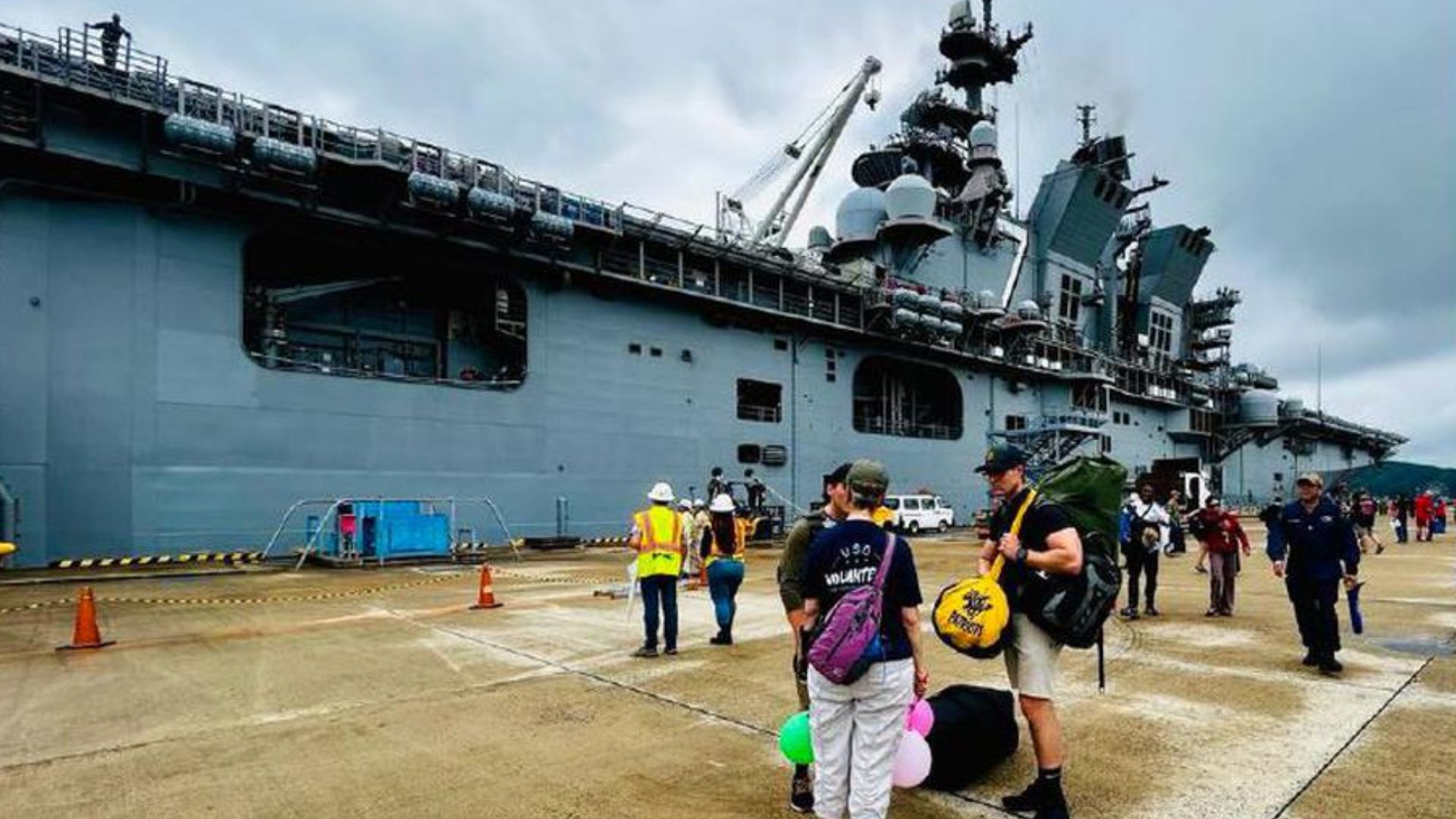
uss tripoli
USS Tripoli: History, Power, Mission, and Modern Naval Strength
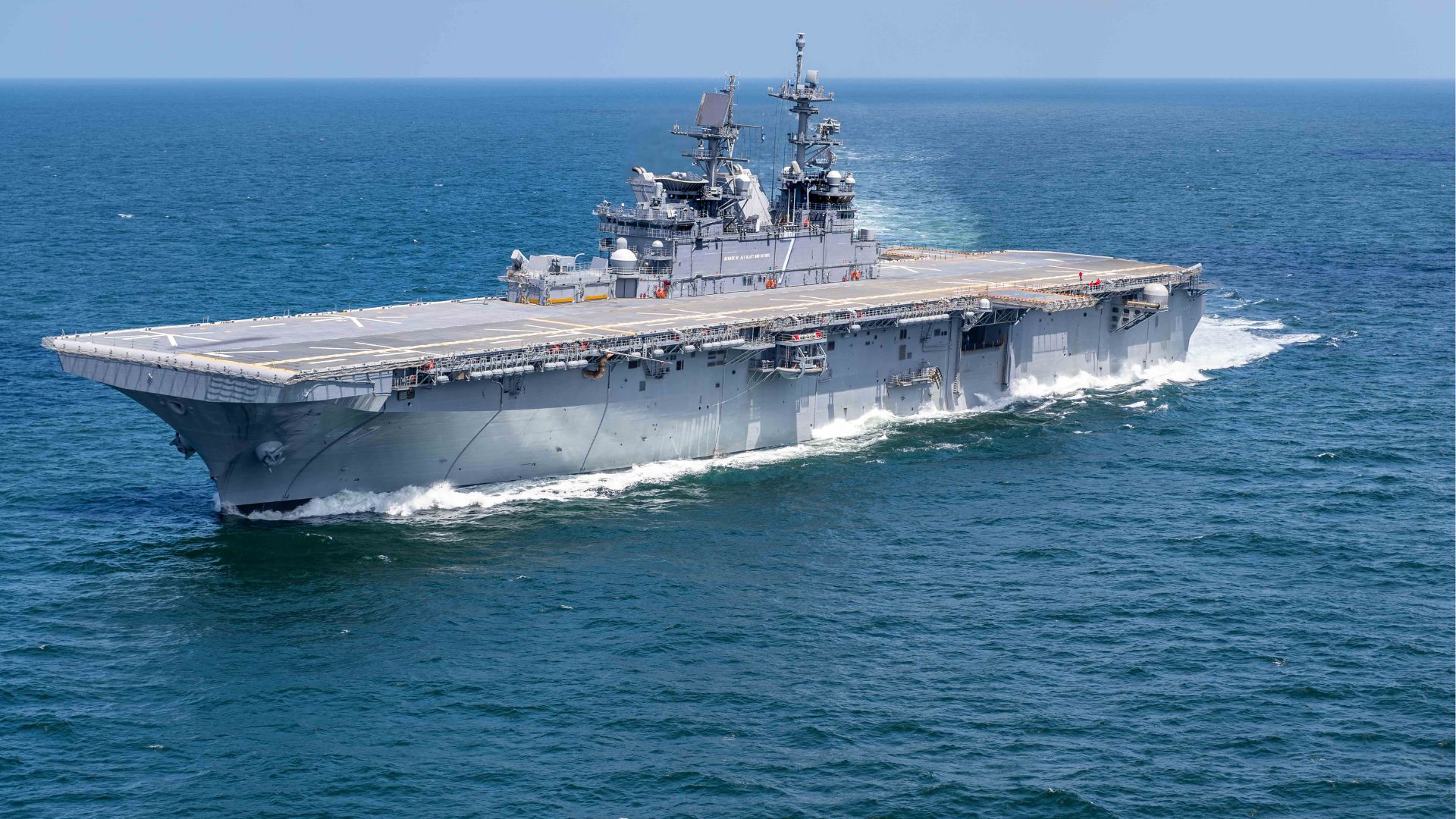
The USS Tripoli is one of the most impressive ships in the modern U.S. Navy. It is large, powerful, and built for fast action at sea. Many people compare it to a small aircraft carrier because it supports advanced aircraft and Marine operations with remarkable flexibility. The current USS Tripoli, known as LHA-7, represents a bold new chapter in naval power. It combines air strength, mobility, and mission readiness in one massive platform. For readers in the United States, this ship stands as a strong example of how American sea power continues to evolve with confidence, speed, and purpose.
What makes the USS Tripoli so special is its smart design. It was built to support more aviation operations, which means more space for aircraft, more fuel support, and more mission options. It can launch F-35B fighter jets, MV-22 Ospreys, and helicopters while also carrying Marines and command teams. This gives the ship a major advantage in crisis response, power projection, and forward operations. The name also carries deep meaning because it honors a proud moment in early American military history. That mix of heritage and modern strength makes the USS Tripoli a ship worth understanding in full detail.
USS Tripoli Biography Table
The profile of the USS Tripoli reveals a ship built for strength, speed, and high-value missions. Its story starts with a proud American name and continues through modern shipbuilding, advanced aviation support, and a key role in naval operations. This quick reference table makes it easier to understand the basic facts of the vessel in one place. It gives readers a strong foundation before moving deeper into the ship’s history, design, and mission.
| Item | Details |
|---|---|
| Ship Name | USS Tripoli |
| Hull Number | LHA-7 |
| Ship Type | America-class amphibious assault ship |
| Country | United States |
| Branch | U.S. Navy |
| Namesake | Battle of Derna and the Tripoli campaign |
| Builder | Ingalls Shipbuilding |
| Keel Laid | 2014 |
| Launched | 2017 |
| Delivered | 2020 |
| Commissioned | 2020 |
| Main Role | Aviation-focused amphibious assault operations |
USS Tripoli Profile Table
The USS Tripoli is a major warship with the size and systems needed for long-range missions. It was designed with a strong focus on aviation, which gives it a distinct role inside the fleet. The table below highlights the ship’s core profile in a simple and stylish format. These details help explain why this vessel stands out among modern amphibious assault ships and why it draws so much interest from military watchers and general readers alike.
| Feature | USS Tripoli Profile | Why It Matters |
|---|---|---|
| Class | America-class | Built for modern, flexible naval missions |
| Length | 844 feet | Large enough for powerful aviation support |
| Displacement | About 45,000 tons | Supports fuel, aircraft, supplies, and crew |
| Speed | 20+ knots | Fast enough for rapid deployment |
| Air Capability | F-35B, MV-22, helicopters | Supports air assault, defense, and mobility |
| Design Focus | Aviation-heavy layout | More room for aircraft operations |
| Strategic Value | High readiness and flexibility | Useful in combat, deterrence, and support |
What Is USS Tripoli?
The USS Tripoli is an amphibious assault ship, but it does much more than many people expect from that title. It is built to carry aircraft, support Marines, and deliver fast response across wide ocean areas. In simple terms, it is a sea-based power platform. It can move people, aircraft, and command teams while staying ready for action. This makes it one of the most useful and flexible ships in the U.S. Navy. It can support combat missions, disaster response, presence patrols, and fast deployment in tense areas. That wide mission range is one of the biggest reasons the USS Tripoli is so important today.
The ship is often described as aviation-focused because it was designed to do more in the air. Instead of putting extra emphasis on landing craft space, the ship gives more room to aircraft support areas. That means more efficient flight operations and better support for modern air missions. The result is a ship that feels highly advanced and purpose-built for modern naval strategy. For readers who want to understand current U.S. naval strength, the USS Tripoli is one of the clearest examples of how military planning now values speed, flexibility, and air power together.
Why the Name USS Tripoli Matters
The name USS Tripoli carries weight because it connects the ship to early American military courage. The name honors the campaign around Tripoli and the Battle of Derna, a famous Marine Corps victory from 1805. That moment became a lasting part of American military identity. It is remembered for bravery, determination, and the willingness to act far from home. Giving that name to a modern warship creates a bridge between old military heritage and new naval technology. It gives the ship a sense of character before it even begins a mission.
This is also not the first U.S. naval vessel to carry the name. Other ships named USS Tripoli served in earlier eras and helped build the identity around this proud title. That long tradition matters because military ships are not only tools. They are also symbols. They carry history, service, and memory from one generation to the next. In many ways, the current USS Tripoli honors the past while standing fully ready for the challenges of the future. That is a powerful combination, and it helps explain why the ship receives so much attention and respect.
The History of USS Tripoli LHA-7
The current USS Tripoli was built during a time when the Navy was investing in advanced amphibious platforms with stronger aviation roles. The ship’s keel was laid in 2014, and over the next several years it moved through major construction milestones before joining active service in 2020. This process reflected more than shipbuilding skill. It showed a strategic decision to create vessels that could respond faster and operate more effectively in modern mission environments. From the start, the ship was designed to meet new demands in power projection, sea control, and expeditionary operations.
After entering service, the USS Tripoli quickly became a ship to watch. Its early years helped prove the value of its design and its place in the fleet. It later moved into a more visible role in the Pacific, where U.S. naval presence remains highly important. That forward posture is not random. It reflects the growing need for capable ships that can remain ready in key strategic areas. The history of the USS Tripoli is still being written, but even now it already shows strong purpose, rapid growth in importance, and a clear place in modern American sea power.
USS Tripoli Size, Power, and Design
The USS Tripoli is large enough to make an instant impression, yet its real value comes from how intelligently the space is used. A ship of this size can carry aircraft, fuel, support equipment, personnel, and command systems without losing mobility. Its structure is not simply about scale. It is about performance. The layout helps the ship stay mission-ready for long periods while supporting demanding operations. This is one reason the vessel feels more advanced than many casual readers expect. Its size is matched by practical design choices that improve endurance and capability at sea.
One of the most important design choices was making the ship more aviation-focused. That gave it more room for aircraft maintenance, fuel storage, and support spaces. The result is a vessel that can keep aircraft operating efficiently while maintaining a high level of flexibility. This matters because aircraft now play a central role in modern naval operations. The USS Tripoli was built with that reality in mind. It does not just carry power. It is designed to sustain power in a smart and organized way. That makes the ship a strong fit for both current missions and future demands.
Aircraft and Air Power on USS Tripoli
Air power is one of the biggest strengths of the USS Tripoli. The ship can support F-35B Lightning II fighter jets, MV-22 Osprey aircraft, and multiple helicopter types. That gives it wide mission potential. It can help with strike operations, transport, air assault, logistics, and support roles. Because the ship is built to handle serious aviation demands, it can adapt to many mission types without losing its core strength. This gives commanders more options, and in military planning, more options often mean greater success and faster response.
The ship has also drawn attention because of the idea of using it in a “Lightning carrier” role. In simple words, that means operating with a stronger concentration of F-35B aircraft to increase striking power and awareness. This concept shows just how flexible the USS Tripoli can be. It is not locked into one narrow purpose. Instead, it can shift based on mission need. That kind of adaptability makes the ship more valuable in uncertain conditions. For the United States, a platform with this kind of air power and mission flexibility is a major advantage in keeping readiness high.
The Mission of USS Tripoli
The USS Tripoli is built for a broad range of missions, and that is one of its greatest strengths. It can support amphibious assault operations, Marine deployments, aviation missions, crisis response, and visible presence in key regions. It can also assist with command support and emergency action when the situation changes fast. This kind of flexibility is extremely valuable in today’s world. Military challenges rarely follow a simple pattern, so ships that can adjust quickly are far more useful than those built for only one task.
The ship’s mission matters because it supports both action and deterrence. Sometimes the most important role of a warship is not to fire first. It is to be present, ready, and capable enough that problems do not grow worse. The USS Tripoli fits that role very well. It can stand near a region of concern, support allies, and remain prepared for rapid movement if needed. This makes it a strong symbol of readiness and a practical tool of American power. It is one of those ships that sends a message simply by being in the right place at the right time.
USS Tripoli and the Indo-Pacific
The Indo-Pacific region has become one of the most important areas for American naval strategy, and the USS Tripoli plays a meaningful role there. A forward-deployed ship in this region brings faster response times, stronger presence, and better mission readiness. That matters because this vast area includes vital sea routes, strong allies, and ongoing strategic competition. A ship with the power and flexibility of the USS Tripoli gives the United States a real operational advantage across long distances and changing situations.
For many Americans, the value of this forward position is easy to understand. Distance matters at sea. A capable ship already in the region can respond much faster than one sailing from far away. That makes the USS Tripoli a highly practical asset, not just a symbolic one. Its presence supports confidence, preparedness, and stability. It also shows that the United States is serious about maintaining strong naval reach where it matters most. In today’s world, that kind of positioning can be just as important as raw firepower.
How USS Tripoli Supports Marines
The bond between the U.S. Navy and the Marine Corps is a key reason the USS Tripoli matters so much. This ship is designed to help Marines move, operate, and respond in demanding environments. It gives them a sea-based platform with aviation support, command capacity, and mission endurance. That means Marines can work from a powerful mobile base instead of relying only on land facilities. This creates flexibility, which is one of the most important advantages in expeditionary operations.
In practical terms, the USS Tripoli helps Marines stay ready to move fast and act with support behind them. The ship can support aircraft that transport troops, carry supplies, or provide mission cover. This teamwork between ship and force is part of what makes amphibious operations so effective. The vessel is not simply carrying people from one point to another. It is actively supporting the entire mission environment. That deep connection to Marine operations gives the ship lasting value and helps explain why it remains such a critical part of the fleet.
What Makes USS Tripoli Different From Older Amphibious Ships
One major reason the USS Tripoli stands out is that it reflects a modern shift in naval thinking. Older amphibious assault ships often placed greater emphasis on landing craft support. The USS Tripoli follows a more aviation-centered approach, giving it more room for aircraft support and air mission efficiency. This does not make it less capable. It makes it focused in a way that matches many current operational needs. Modern conflict and crisis response often depend heavily on air power, mobility, and rapid awareness, and this ship was built with exactly that in mind.
That design change helps the ship serve as a stronger and more flexible platform in real-world situations. More aviation support means better readiness for flight operations and more sustained air capability during demanding missions. This makes the USS Tripoli feel like a bridge between a classic amphibious assault ship and a more aviation-dominant platform. For readers who want to know how naval warfare is evolving, this vessel offers a clear answer. It shows how design choices can reshape mission value without losing the core strength that makes amphibious ships so useful.
Why USS Tripoli Matters to the United States
The USS Tripoli matters because it reflects where American naval power is going. It combines advanced aircraft support, strong mobility, Marine cooperation, and mission flexibility in one ship. That makes it more than a vessel. It becomes a strategic tool. In a world where conditions can change fast, the United States benefits from ships that can respond quickly, stay on station, and provide visible strength. The USS Tripoli does all of those things while also carrying a respected name and a strong connection to national military tradition.
There is also a human side to this ship that should not be ignored. Behind the steel, systems, and aircraft are sailors and Marines who train, serve, and sacrifice. A ship like the USS Tripoli is only as strong as the people who make it work every day. That human factor gives the vessel meaning beyond strategy alone. It represents skill, discipline, and service. For many readers, that makes the ship feel even more important. It is both a machine of national strength and a symbol of the people who carry that strength forward.
Key Strengths of USS Tripoli
These strengths help explain why the USS Tripoli receives so much attention in naval discussions. It does not rely on only one advantage. Instead, it combines several major strengths into one platform. That makes it useful in more situations and gives leaders more options when conditions change. In modern operations, flexibility is often just as valuable as raw firepower. The USS Tripoli brings both, and that combination gives it lasting value in the fleet.
Quick Facts About USS Tripoli
- USS Tripoli is one of the newest and most capable amphibious assault ships in the U.S. Navy.
- The ship is known for its aviation-heavy design and strong support for modern aircraft operations.
- It supports Marines, command teams, and flexible mission planning across wide ocean regions.
- The vessel carries a historic American name with strong Marine Corps meaning.
- The USS Tripoli reflects a modern approach to sea power, mobility, and rapid action.
These points give a quick snapshot of why the USS Tripoli stands out. Even in a fleet full of capable ships, it earns attention because of how effectively it blends tradition, innovation, and mission strength. It is a ship built for the present, but also ready for what comes next.
Final Thoughts on USS Tripoli
The USS Tripoli is more than an impressive naval ship. It is a clear example of modern American maritime strength. It carries a proud name, a powerful mission, and a design built for today’s operational reality. Its aviation-focused layout, support for advanced aircraft, and value in key strategic regions all help make it one of the most important amphibious assault ships in service today. The ship brings together speed, flexibility, readiness, and visible strength in a way that few platforms can match.
For readers who want to understand how the U.S. Navy is preparing for the future, the USS Tripoli offers a strong and simple answer. It shows how history and innovation can work together in one platform. It also shows how a single warship can support many mission types without losing focus. As global challenges continue to change, the USS Tripoli will remain a ship worth watching. It stands as a symbol of confidence, capability, and long-term American presence on the world’s oceans.
FAQs About USS Tripoli
1. What is USS Tripoli?
The USS Tripoli is an America-class amphibious assault ship in the U.S. Navy. It is designed for aviation support, Marine operations, and flexible mission readiness at sea.
2. Why is USS Tripoli important?
The USS Tripoli is important because it combines mobility, air power, and amphibious support in one platform. This helps the United States respond quickly in key regions.
3. What aircraft can USS Tripoli support?
The ship can support F-35B fighter jets, MV-22 Osprey aircraft, and several helicopter types, making it a very flexible aviation platform.
4. Is USS Tripoli like an aircraft carrier?
It is not a full aircraft carrier, but many people compare it to a smaller carrier because of its strong aviation role and ability to support high-value air operations.
5. What makes USS Tripoli different from older ships?
The USS Tripoli places stronger focus on aviation support, which gives it more room for aircraft operations and makes it especially useful in modern missions.
6. Why does the name USS Tripoli have historic meaning?
The name honors an early American military victory tied to the Tripoli campaign and carries lasting significance in U.S. military history and Marine tradition.


