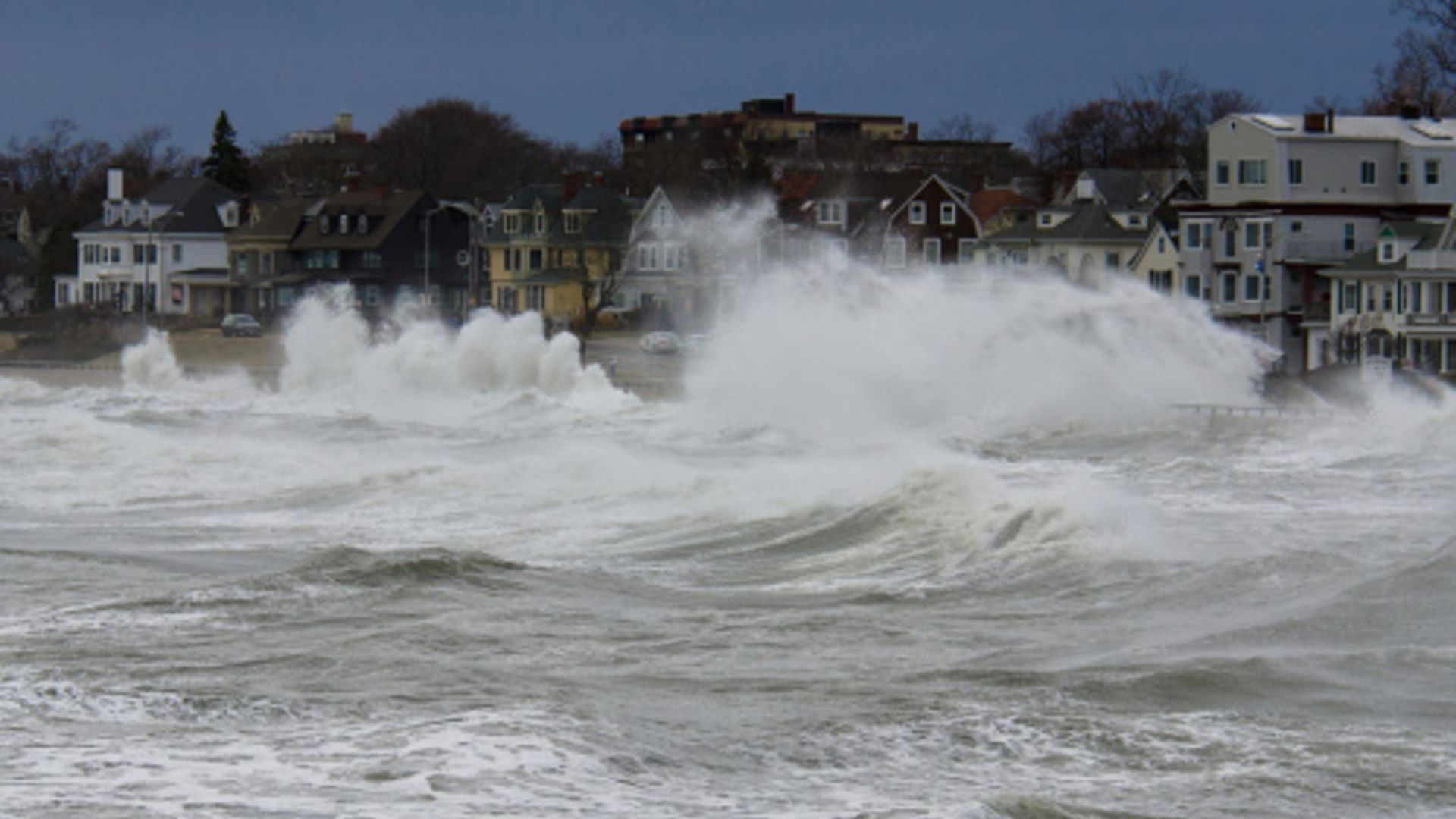
coastal flood watch
| Profile Item | Details |
|---|---|
| Alert Name | Coastal Flood Watch |
| Main Meaning | Flooding is possible in coastal or tidal areas, and people should prepare early |
| Common Causes | High tide, storm surge, strong onshore winds, coastal storms, and steady water buildup |
| Areas Most at Risk | Beaches, bays, low roads, tidal rivers, marsh edges, marinas, and back-bay neighborhoods |
| Most Common Impacts | Road flooding, travel delays, saltwater damage, blocked access, and property problems |
| Best First Move | Check local updates, move vehicles, protect valuables, and avoid low-lying routes |
| Who Should Pay Attention | Homeowners, renters, drivers, visitors, workers, and business owners in coastal areas |
| Why It Matters | It gives valuable time to prepare before flooding becomes harder and more dangerous |
What Does a Coastal Flood Watch Mean?
A coastal flood watch means flooding is possible in coastal or tidal areas, so this is the time to prepare before conditions get worse. It is an early warning sign that rising water could affect roads, homes, parking areas, businesses, and normal travel. The alert does not always mean serious flooding will happen for sure, but it tells you the risk is high enough that ignoring it would be a mistake. A watch gives you time, and time is one of the most valuable things during changing weather.
Many people wait until they see standing water before they react. That often creates stress, delays, and more damage. A coastal flood watch is helpful because it gives you a chance to move your car, secure loose outdoor items, raise valuable belongings, and adjust your plans in a calm way. Families who use this alert well usually have more control when roads begin to flood and normal routines start to change.
Why Coastal Flooding Happens
Coastal flooding happens when seawater rises above its normal level and moves onto land. This often happens during high tide, strong coastal storms, long periods of steady wind, or storm surge pushing water toward the shore. In some places, you do not need a large hurricane for trouble to begin. A high tide combined with strong wind can be enough to flood roads, driveways, and neighborhoods that sit close to sea level.
People often think flooding near the coast only affects the beach. That is not true. Bays, back-bay communities, tidal creeks, marsh edges, marinas, and low inland roads can all face flooding. Water can move through connected tidal systems and reach places that do not look coastal at first glance. That is why a coastal flood watch matters for more than oceanfront homes. It can affect a much wider part of daily life than many people expect.
Coastal Flood Watch vs Warning vs Advisory
These alerts sound similar, but they are not the same. A coastal flood watch means flooding is possible and you should prepare. A coastal flood warning means flooding is expected, happening, or very close, so your response should be faster and more serious. A coastal flood advisory usually points to smaller flooding issues, but it can still create travel trouble and inconvenience in low areas. Knowing the difference helps you react with the right amount of urgency.
The easiest way to remember it is simple. Watch means get ready. Warning means act now. Advisory means stay careful because local flooding may still disrupt the area. This clear difference matters because many people delay action when they misunderstand the wording. A coastal flood watch is the stage where smart planning works best. Once conditions move toward a warning, your safe options may become smaller and more limited.
| Alert Type | Meaning | Best Response |
|---|---|---|
| Coastal Flood Watch | Flooding is possible in coastal and tidal areas | Prepare early and follow updates |
| Coastal Flood Warning | Flooding is expected, happening, or about to happen | Take action now and avoid unsafe travel |
| Coastal Flood Advisory | Minor flooding may cause inconvenience | Use caution and watch local trouble spots |
Why This Alert Matters Across the United States
The United States has many coastal communities where homes, schools, roads, bridges, hotels, stores, and marinas sit close to water. A coastal flood watch matters because even moderate flooding can interrupt daily life very quickly. Roads may close, cars may stall, parking areas may flood, and saltwater can damage property faster than people expect. In coastal regions, a few inches of water in the wrong place can create hours of confusion and expensive problems.
This alert is important for more than full-time residents. It also matters for renters, visitors, beach travelers, delivery drivers, workers, and business owners. In many towns, the first signs of trouble appear in low roads and access points before the rest of the area looks bad. That is why early action matters so much. A coastal flood watch is most useful when people treat it as a real chance to plan instead of waiting for visible flooding.
Areas Most at Risk During a Coastal Flood Watch
Low-lying places are the most vulnerable during a coastal flood watch. That includes beachfront roads, bayside neighborhoods, tidal river areas, marsh edges, barrier island access roads, marina districts, and back-bay communities. These places often flood first because water can move in quickly and drain out slowly. Some neighborhoods face repeat flooding, which means residents there should respond early whenever a watch is issued.
People sometimes believe they are safe because they live slightly inland, but coastal flood risk can travel farther than expected. Water can move through drainage systems, tidal channels, inlets, and connected waterways. That means inland low spots can flood even when they are not right on the beach. If your street has flooded before, take a coastal flood watch very seriously. The past is often a strong clue for what may happen again.
What To Do as Soon as a Watch Is Issued
The first step is to stay alert and make simple decisions early. Check local updates, review your travel plans, and think about the places around your home that collect water first. Move your vehicle away from low roads, curbside areas, or garages with a flood history. Bring in outdoor items that could float away or get damaged. Raise electronics, important documents, and personal items higher off the floor if your area has any flood risk.
Next, make a quick family plan. Decide who will pick up children if roads become harder to use. Charge phones, gather flashlights, and keep medicine where it is easy to find. If you care for older adults or someone with medical needs, think ahead before conditions worsen. A coastal flood watch is not meant to create panic. It is meant to give you time to prepare with a calm mind and a clear plan.
How To Protect Your Home, Car, and Belongings
Homes and vehicles can suffer major damage during coastal flooding, especially when saltwater gets inside. Saltwater can harm metal, flooring, wiring, tools, and vehicle systems very quickly. That is why moving your car to higher ground is one of the smartest things you can do during a coastal flood watch. It takes only a few minutes early on, but it can save you from a much bigger and more expensive problem later.
Inside your home, focus on the lowest level first. Lift valuable items, move boxes away from floors, and keep important papers in sealed storage. If you rent, protect daily essentials like identification, chargers, clothes, work items, and medicine. If you own a small business, lift stock, tools, and equipment as early as possible. These steps are simple, but they often make the biggest difference when water starts to rise.
Travel Problems During Coastal Flood Conditions
One of the biggest dangers during a coastal flood watch is travel. Water on roads can be misleading. A road may look shallow and safe, but it can hide holes, broken pavement, sharp debris, or weak edges. Even a small amount of saltwater can damage a car or leave it stuck where traffic cannot move. Roads near beaches, marinas, tidal creeks, seawalls, and bays often flood earlier than people expect.
That is why it helps to stay flexible with your schedule. Leave early if you need to travel, choose higher routes when possible, and do not wait until water is already on the road. Visitors should be especially careful because they may not know which streets flood often. Business owners should also warn staff and customers if access may become difficult. A coastal flood watch should always make people think carefully about transportation before normal travel becomes risky.
How Daily Life Can Change During a Coastal Flood Watch
A coastal flood watch can affect much more than the shoreline. Parents may need to change pickup times. Workers may need to leave earlier. Deliveries can be delayed. Shops may have fewer customers if parking becomes harder to use. A simple trip for groceries or school can become stressful when the usual roads start taking on water. In coastal communities, small changes in water level can cause bigger changes in daily movement and timing.
The good news is that early planning reduces many of these problems. Families can prepare meals, charge devices, and set out essentials. Workers can check safer routes. Store owners can update customers and adjust plans before access becomes difficult. This is why the alert matters. A coastal flood watch gives people a chance to stay ahead of disruption instead of being surprised when conditions change more quickly than expected.
Why Early Preparation Always Works Better
Early preparation nearly always feels easier than late action. Moving a car before roads flood is simple. Trying to rescue it after water rises is much harder. Lifting important items before floodwater enters takes minutes. Replacing damaged belongings later can take weeks and cost much more. A coastal flood watch gives you a valuable head start, and people who use that head start well usually avoid the worst stress.
Some people worry they may be overreacting if the flooding does not become severe. In reality, calm preparation is never wasted. Even if the event is milder than expected, your home is more organized, your family knows the plan, and your essentials are ready. Those are still positive outcomes. A coastal flood watch is there to help you act with confidence, not fear. The goal is smart readiness, not panic.
Simple Safety Checklist for Families
A simple checklist can make a big difference when a coastal flood watch is active. Move the car, charge phones, check flashlights, protect documents, and keep medicine where it is easy to reach. If you have children, explain the plan in calm and simple words. If you have pets, keep food, carriers, leashes, and cleanup items together. Small details often matter most when normal routines begin to change.
It also helps to prepare the house in practical ways. Bring loose outdoor items inside. Keep towels, shoes, chargers, and essential supplies near the door. Save key phone numbers and keep work items ready if you may need to leave early. A calm routine creates confidence. The more basics you finish before the weather becomes worse, the easier it is to stay focused and make good decisions during a coastal flood watch.
Why Business Owners Should Take It Seriously
Business owners near the coast should never ignore a coastal flood watch. Water can damage inventory, equipment, flooring, outdoor signs, tools, and vehicles parked on-site. Even when the damage is limited, access problems can still hurt the day. Customers may not be able to reach the location, staff may face delays, and deliveries can slow down. A little preparation protects more than the building. It protects time, trust, and workflow.
Clear communication also matters. Let staff know if they should use a different entrance or route. Inform customers early if hours may change or access becomes harder. Move important stock and electronics away from low shelves or floor level. A coastal flood watch gives business owners an early chance to reduce loss and confusion. Strong preparation shows leadership and helps operations stay steady even when local conditions become more difficult.
Common Mistakes People Make During Flood Alerts
The biggest mistake is waiting too long. Many people see a coastal flood watch and assume they still have plenty of time. That delay often causes extra stress once roads begin to flood. Another mistake is only thinking about rain. Coastal flooding can happen because of tide, wind, and storm surge, even when rainfall does not seem extreme. People also make the mistake of driving through water that looks shallow without knowing what lies underneath.
Another common problem is assuming only beachfront property is at risk. In many coastal communities, back-bay areas, tidal streets, and inland low spots can flood just as fast. Some people also forget basic essentials like chargers, identification, work items, pet supplies, and medicine. The best way to avoid these mistakes is to act early and think in layers. Protect people first, then travel plans, then property, and finally the small daily items that keep life moving.
How To Stay Calm and Confident
Confidence during a coastal flood watch comes from preparation, not guesswork. Keep your response simple. Watch local updates, move early, protect the essentials, and stay away from low roads. Families who have a clear routine usually feel more in control than those who wait for perfect certainty. The weather may change, but a calm plan makes every next step easier to manage.
It also helps to focus on useful action instead of dramatic images or fear. The purpose of the alert is not to scare you. It is to give you time, clarity, and better choices. A coastal flood watch is most helpful when it leads to small smart steps that lower risk. Good early decisions protect your property, reduce stress, and help your family or business stay ready from beginning to end.
Conclusion
A coastal flood watch is an early alert that gives you the chance to prepare before rising water causes greater trouble. It matters because coastal flooding can affect homes, roads, businesses, vehicles, and daily plans much faster than most people expect. When you understand what the alert means and take action early, you protect more of what matters and avoid the last-minute pressure that often leads to costly mistakes.
The smartest response is simple. Stay informed, protect important items, move your vehicle if needed, and avoid risky travel through low areas. Whether you live near the coast, visit often, or run a business in a flood-prone area, taking a coastal flood watch seriously is one of the best ways to stay ready. Small actions now can make a powerful difference later.
Frequently Asked Questions
1. What is a coastal flood watch?
A coastal flood watch means flooding is possible in coastal or tidal areas, so people should prepare early and stay alert for local changes.
2. Is a coastal flood watch serious?
Yes, it is serious because it warns that conditions are favorable for flooding and gives you valuable time to act before problems grow.
3. What is the difference between a watch and a warning?
A watch means flooding is possible and preparation should begin. A warning means flooding is expected, happening, or very near, so action is more urgent.
4. Which places are most at risk during a coastal flood watch?
Low roads, beaches, bayside neighborhoods, tidal rivers, marinas, marsh edges, and back-bay communities are often the most vulnerable.
5. What should I do first during a coastal flood watch?
Check local updates, move your car from flood-prone places, protect valuables, and review safer travel routes before water begins to rise.
6. Can coastal flooding happen without a major hurricane?
Yes, high tide, steady wind, coastal storms, and storm surge can all cause coastal flooding even without a major hurricane nearby.
About the Author


